
Why Stretching and Foam Rolling Aren’t Enough to Fix Pain

When something feels tight or painful, the first instinct is usually to stretch, foam roll, or rub the area. And honestly—that makes sense.
It can feel good in the moment. You get a little relief, maybe a little more range of motion… …but then a few hours later—or the next day—it’s right back.
If you feel like you’re constantly stretching the same areas and not getting anywhere, there’s usually a missing step… That’s exactly what we’ll figure out on a discovery call.
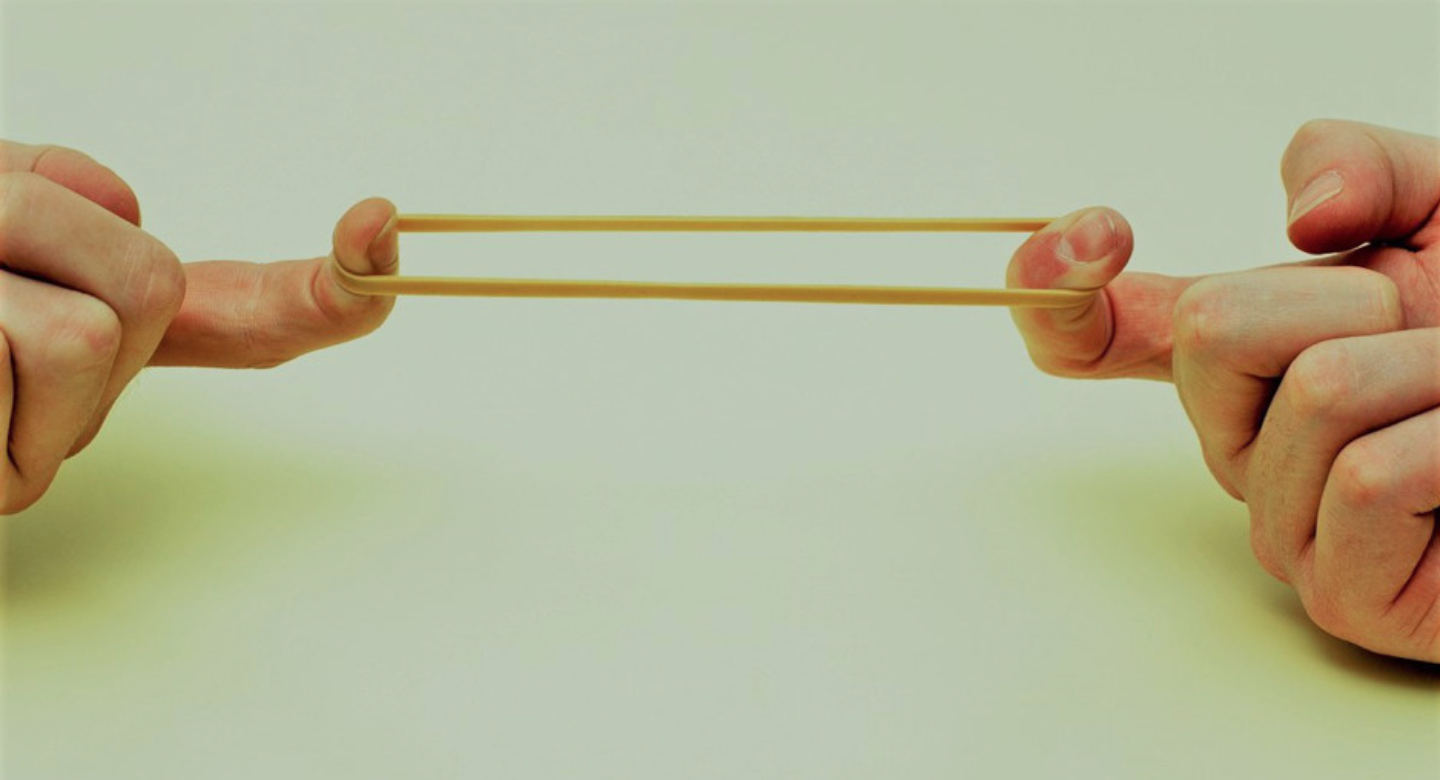
That’s because tightness is often a feeling—not a clear indicator of what’s actually happening.
Think of a rubber band. When you pull it, it feels tight—but it’s actually lengthened.
So just trying to “release” that tension doesn’t solve much. In many cases, the body needs to build better tension and control in the right places.
👉 If something constantly feels tight, it’s not always a stretching issue
What Actually Changes Muscle Length and Control
If we’re talking about long-term change, it doesn’t come from passive stretching alone.
The body doesn’t adapt just because something is being pulled on—it adapts when it’s challenged.
One of the main ways this happens is through controlled loading—especially during the lowering phase of movement (eccentrics).
Part of what’s happening here involves something called the stretch reflex.
When a muscle is stretched quickly or without control, your body can respond by tightening it right back up as a protective mechanism.
👉 This is also why getting stronger alone doesn’t always fix the problem—if you can’t control how you move, your body will still compensate.
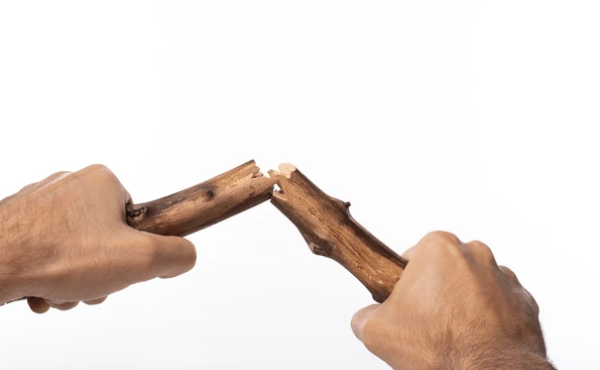
That’s part of why aggressive stretching often doesn’t “stick.”
And if you try to push past what your body can actually control… that’s usually when things don’t go so well.
Your body isn’t trying to hold you back—it’s trying to protect you.
Slowing things down and adding controlled load helps your body feel more stable in that position—so it doesn’t feel the need to fight it.
Over time, that’s what improves your ability to move and create strength through a greater range—not just temporarily relax into it.
If you want to nerd out for a second… There are even techniques like PNF (proprioceptive neuromuscular facilitation) that use this exact concept—alternating contraction and relaxation to help the body tolerate more range.
I use this in sessions pretty often—but the goal isn’t just to create more range… It’s actually about being able to use it.
🟡 NERD EXIT RAMP 🟡 If you want a deeper dive into how this works, I wrote a full breakdown on the stretch reflex here: The Stretch Reflex
This Is Where Most People Get Stuck
This is where combining movement and recovery actually matters.
👉 Learn more about the Integrated Movement Method
Because in many cases, it’s not that something is “too tight” or “too long”— it’s that your body doesn’t yet have the strength or control to support the position you’re asking it to be in.
What This Can Look Like in Practice
This doesn’t need to be complicated. The goal isn’t to do more—it’s to do the right things with intention. Instead of trying to stretch or release what feels tight, focus on how your body moves through positions it doesn’t fully control. 👉 These same compensation patterns are often what lead to issues like recurring lower back pain when movement isn’t distributed well.
This is especially true if you feel like the front of your hips is always tight.
A common go-to is a static wall hip flexor stretch.
Instead of just trying to “open up” the front of the hip, it’s worth asking: are your hip flexors actually short… or is this more of a control issue?
Because if you can’t control your pelvis and trunk in that position, your body won’t keep that range—it’ll just tighten things back up.
And here’s the key: Whether the issue is true muscle length or control… a split squat is the better option.
It allows you to access that same position, while also building the strength and stability needed to actually keep it.
Slow it down. Lower for 3-5 seconds with control instead of rushing through the rep. That’s where your body learns to manage load and absorb force. Slowing the lowering phase (eccentric) places more demand on the tissues as they lengthen—helping build strength, resilience, and usable range instead of just temporary flexibility.
Control your position. As you move, watch what your hips are doing. Stay level and balanced instead of shifting or collapsing to one side.
Adjust the depth when needed. If you’re in a flare-up, you don’t have to push through full range. Work within a smaller, controlled range—or pause and hold a position you can actually control.
Stay Connected
If you’re trying to stay active without constantly chasing tightness, I share simple, practical tips on movement and recovery on Instagram.
Not Sure What to Do Next?
If you’re not sure what your body actually needs next, you’re not alone—that’s exactly where a more structured approach can help. Schedule a movement assessment below!