
The Stretch Reflex
Feeling stiff, tight, or dealing with pain that keeps coming back? It might not be a stretching issue.
Start with an Initial Consultation to find out what may be limiting you and what your body actually needs.
POOR POSTURE AND PAIN
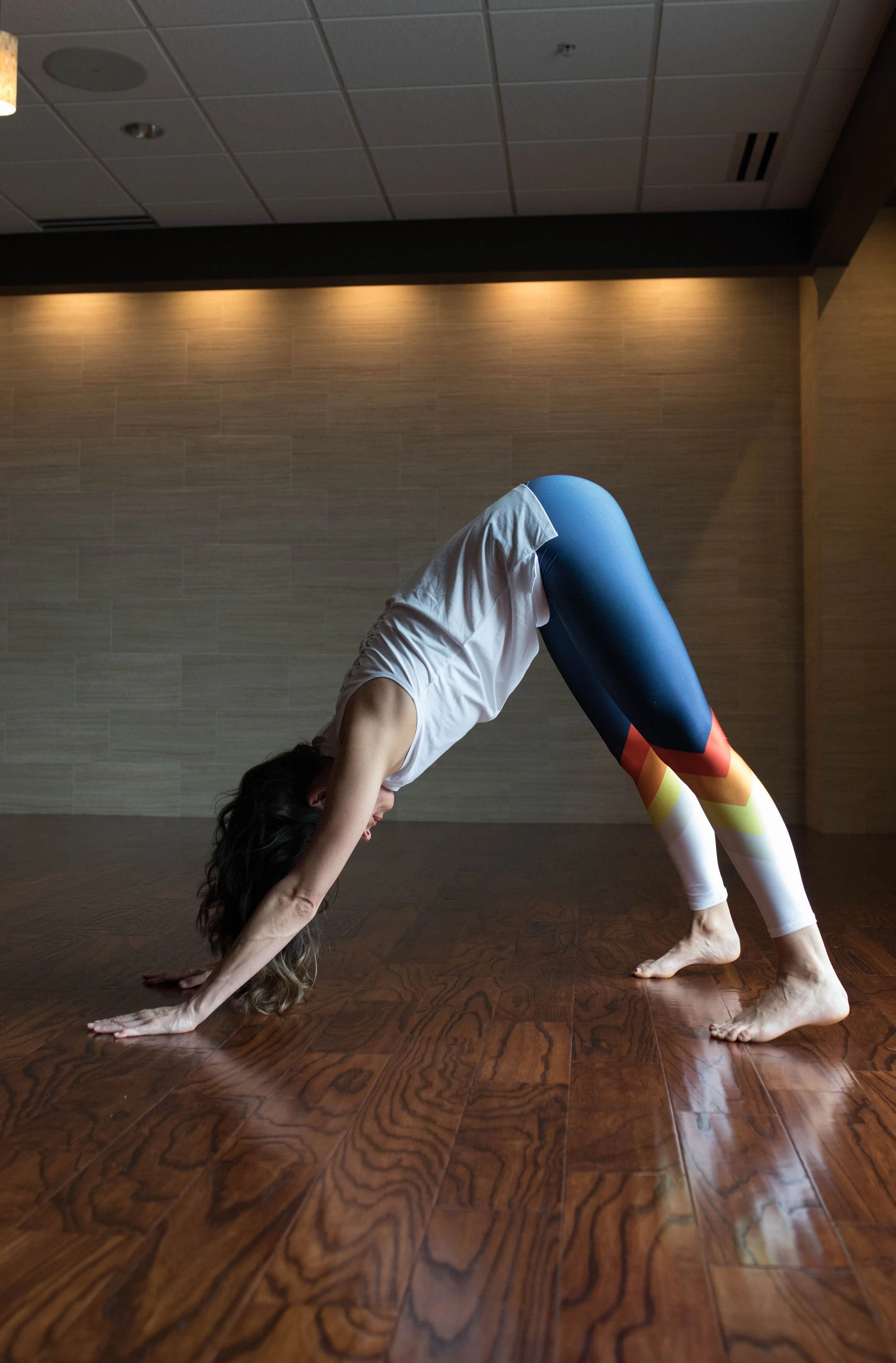
As a massage therapist and personal trainer, I’m constantly evaluating posture—both in motion and at rest. This gives me a clear map of where the body is tight, weak, and compensating through muscles and connective tissue (fascia). From there, we can actually address the root of the issue instead of just chasing symptoms.
But most people don’t realize their posture is the problem. They just feel stiff… so they do what they’ve been told: stretch more.
They sign up for yoga, start pushing deeper into positions, and assume that if it feels tight, it must need more stretching.
And that’s where things start to go wrong.
Because if the body isn’t ready for that range of motion, forcing it doesn’t fix the problem—it makes it worse. Now they’re more sore, more irritated, and even more confused than when they started.
The missing piece? The stretch reflex.
Your body isn’t just “tight” for no reason—it’s responding to how you move and how you’re positioned throughout the day.
So when you aggressively stretch into a range your body doesn’t trust, your nervous system pushes back—creating more tension, not less.
That’s why so many people feel stuck: tight muscles that won’t loosen, areas that feel both weak and overworked, and pain that keeps coming back—no matter how much they stretch.
It’s not just about stretching more. It’s about restoring the right relationships between your joints, muscles, and fascia—so your body no longer feels the need to fight you.
JOINTS, MUSCLES, AND FASCIA
Our bodies are efficient. That is... when all the parts that make up the whole are working together.
Thinking of posture as one static position is an oversimplification. We describe posture as the relationships between your joints, muscles, and fascia. These relationships allow your body to move. With poor posture, these relationships are out-of-whack. This causes your joints, muscles, and fascia to work against each other. When these elements aren’t working in harmony, it causes stress, pain, and discomfort.
👉 If you want a deeper breakdown of how posture impacts your body and daily life, check out our blog: Good Posture and You
To understand why this happens, we need to look at how your body protects itself.
THE STRETCH REFLEX
The stretch reflex is a major component in our posture and everyday movement. Our stretch reflex detects muscle movement. It acts automatically like breathing, sweating, and digestion.
The stretch reflex utilizes tiny receptors called muscle spindles. These detect how far and fast a muscle is moving. They act as a protective measure for our muscles and prevent us from stretching too far.
If a muscle is nearing its limit, the spindle immediately sends an impulse to the nervous system. This impulse bounces back to the muscle, telling it to contract—protecting it from overextension and potential injury.
This is also why stretching doesn’t always solve the problem—and can sometimes make it worse. 👉 If you’ve ever felt tighter after stretching, here’s why
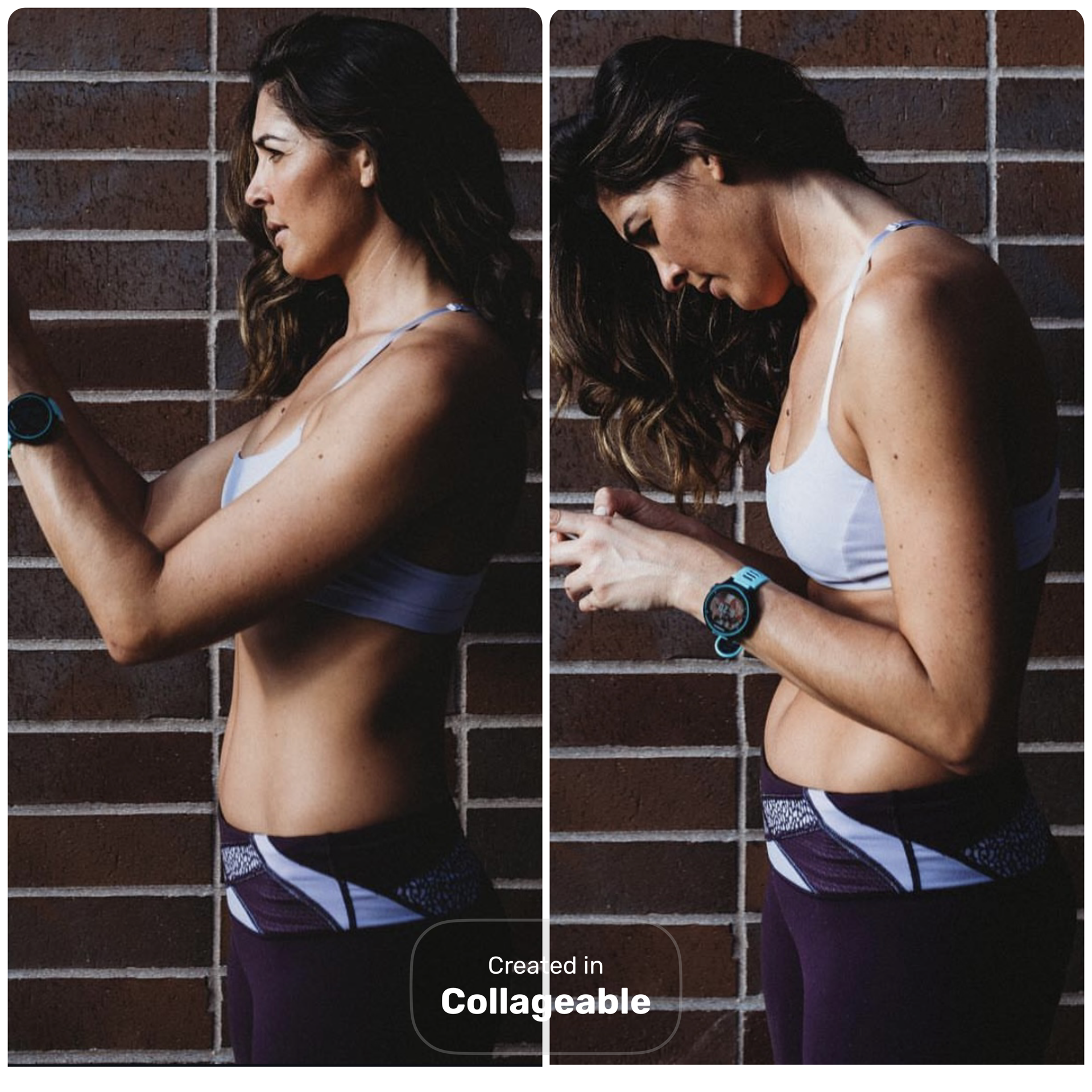
Over time, your body adapts to the positions you spend the most time in. What starts as a habit becomes your new ‘normal’—and your body will fight to stay there
You may be asking: how is the stretch reflex connected to posture?
The answer is that it helps maintain body position. If your body normally leans to one side, your spinal, hip, and leg muscles stretch. The stretch reflex quickly counters this stretch.
This process is continuous. It’s a constant balance between adjusting and maintaining your joints and muscles. Your body is always responding to the push and pull forces of the outside world.
A big part of this is gravity. It pulls our bodies down and can cause us to ease into compromising positions. Over time, our muscles may learn a new resting position because of the patterns in our lives.
Sitting for long periods or slouching causes changes in our natural resting positions. The result is this new, unhealthy body position overriding our stretch reflex.
This protective reflex—meant to keep us safe—is now working against us.
FIXING THE PROBLEM
So how do we actually fix this?
It’s not by stretching more—and it’s definitely not by forcing your body into positions it isn’t ready for.
The first step is understanding how your body moves.
We need to look at how your joints are positioned, how your muscles are firing, and where your body is compensating. Because until you address those underlying patterns, your body will continue to rely on the same protective responses—like the stretch reflex—to keep you in a range it feels safe in.
This is why simply trying to “loosen tight muscles” rarely works long term.
Instead, the goal is to:
• Restore balance between tight and weak areas
• Improve how and when muscles activate
• Build control in the ranges your body currently resists
When you do this, your body no longer feels the need to fight you. The stretch reflex stops overreacting, movement becomes more natural, and those constant areas of tension finally start to resolve.
This is how you create lasting change—not by forcing flexibility, but by earning it.
If this sounds like what your body has been dealing with, it’s exactly what we assess and correct in our sessions.
FOCUS YOUR RECOVERY EFFORTS
Oftentimes, correcting our posture requires the help of a professional. It can be hard to see exactly how we are standing and moving unless we know exactly what to look for. It takes a concentrated effort to fix your posture and stretch reflex. But tackling the problem yourself can be daunting. It’s extremely beneficial to have a professional hone your efforts to maximize results.
If you’re ready to stop guessing and actually and FIND OUT WHAT LIMITING YOU so you can get back to what you love!
No one’s posture is perfect. But small changes—when done correctly—can have a massive impact on how you feel and move.
If you want to read more about how poor posture can affect your life, check out our blog post: Posture Perfect.
MAXIMIZE YOUR RESULTS
Here at OC Athletic Fitness & Massage , our goal is simple: maximize results.
We help you focus on what actually matters—so you’re not wasting time stretching the wrong areas or reinforcing the same patterns that keep you stuck.
If you feel like your posture needs work, we can help you identify the root cause, restore proper movement, and build a body that feels strong and reliable again. If you need help with your pain and recovery, click below!