
If you’re lifting, staying consistent, and still dealing with pain—there’s usually a missing piece. Figure out what your body actually needs.
If something hurts, you’ve probably been told it’s because something is “weak.”
Lower back pain? Weak core. Knee pain when you run? Glutes aren’t firing.
So you do what makes sense?!? Start strengthening those areas. More core work. More glue work.
Maybe it helps… maybe it doesn’t. If it doesn’t, it probably wasn’t just about strength.
Why Strength Alone Isn’t Enough… Control is Better
It’s common to see people who are strong in the gym but still deal with flare-ups. Because strength doesn’t always translate to how your body moves.
Running, walking, and rotation all require coordination, timing, and control—not just force. If those pieces aren’t working together, something ends up taking more stress than it should.
👉 If something constantly feels tight—even after stretching—it may not be a flexibility issue at all.
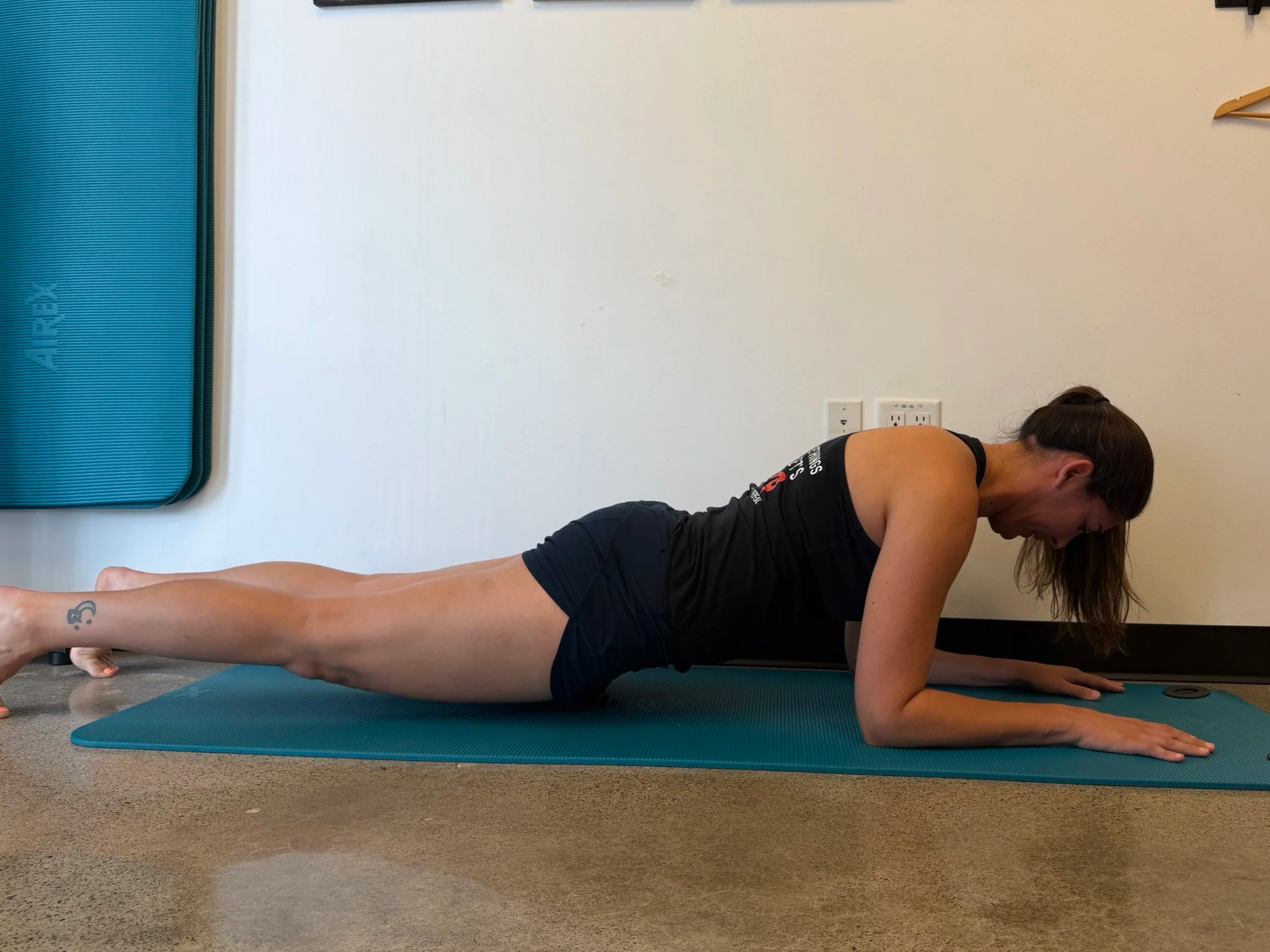
When Strength Outpaces Control
Someone’s told their core is weak—so they push into a full plank position with knees off the floor.
But their hips start to drop… or their lower back arches. Why? Because they’re pushing past what they can actually control.
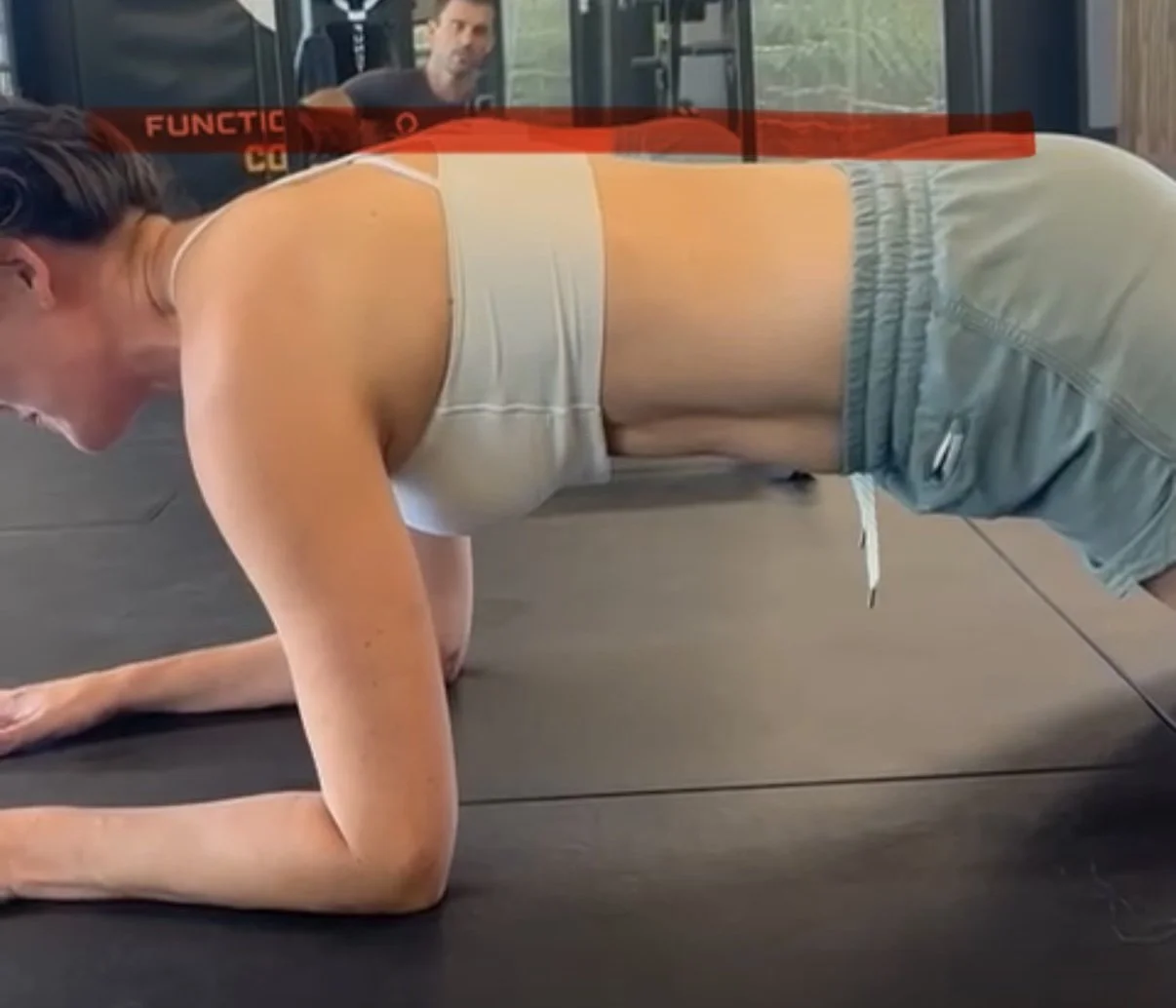
They’d be better off staying on their knees and owning the position—keeping their ribs stacked over their pelvis—instead of forcing a version they’re not ready for.
They’re doing the “right” exercise… but not at the right level. So instead of building strength, they reinforce compensation.
More effort isn’t always the answer—better control is.
A simple way to check this:
Use a dowel, or film yourself. Try to keep the back of your head, your upper back, and your hips in line as you hold the position. If your hips drop or your back arches, that’s your body telling you it’s not ready for that version yet.
Strength Doesn’t Fix How You Absorb Force
And this doesn’t just show up in form—it shows up in how your body handles force.
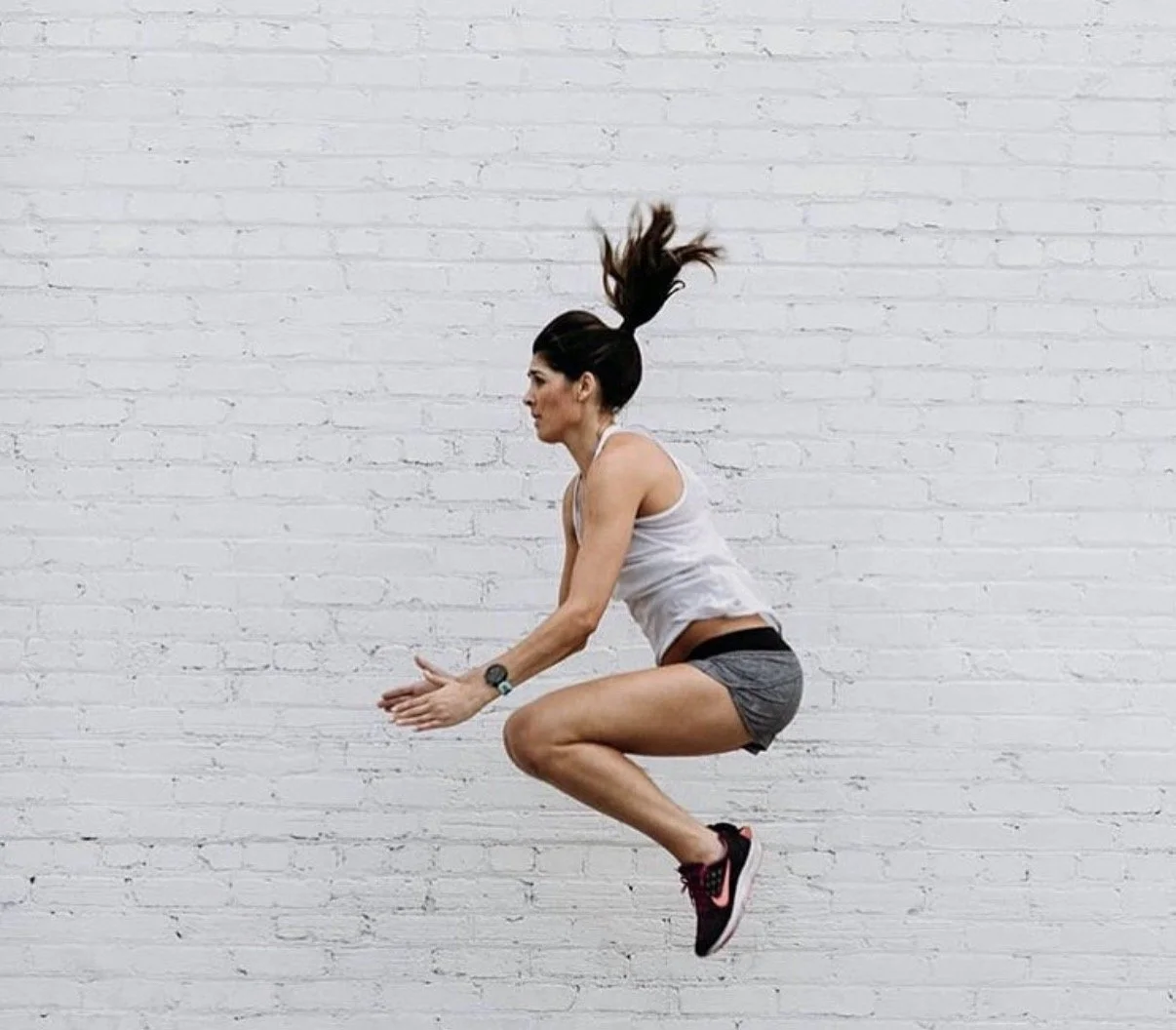
You can get stronger—but if your body doesn’t know how to absorb and distribute force, something will still take on more stress than it should.
Every time you run, jump, or land, your body has to absorb impact.
That load should be shared between:
the feet and ankles
the knees
the hips
and the trunk
But if certain areas aren’t contributing well, the body still has to deal with that force somehow.
So something else takes over—most often the knees… or the lower back.
This is where the way your body transfers force across the system starts to matter—especially in rotational movements.
👉 When force isn’t managed well, it often gets pushed into areas like the lower back—leading to the same issues showing up again.
For additional context, research on movement mechanics shows that poor force distribution during repetitive activity can increase joint stress and the risk of injury (external link).
What This Looks Like in Real Life- Jumping
If someone lacks full plantar flexion at the ankle, they’re not able to push off the ground effectively.
That means:
less propulsion when running or jumping
less ability to land on the ball of the foot and smoothly absorb force
Instead of the foot and ankle doing their job, that load gets passed up the chain to the knees or hips.
Over time, that’s when you start to see stress show up, which could lead to pain.
What This Looks Like in Real Life- Running
Instead of absorbing force smoothly through the foot, knee, hip, and trunk, you’ll often see the body shift around it.
The pelvis might drop or hike (for example, here’s someone with a hip hike on the right side). The knee caves inward.
The foot collapses or loses control.
Not because the person isn’t strong—
but because their body doesn’t have the coordination to manage that force.
So instead of distributing the load, it gets dumped into one area.
So What Do You Actually Do With This?
Most people don’t need more exercise. They need a better way to approach what they’re already doing.
If you’re reading this, you’re probably already putting in the work—lifting, staying consistent, and trying to get stronger.
So the next step isn’t doing more. It’s paying attention. Start by looking at what your body is actually doing.
Film yourself - Watch how you move, not how it feels, but what’s actually happening.
Do your hips stay level?
Does your knee track where it should?
Are you controlling the movement… or just getting through it?
From there, adjust based on what you see.
If something feels restricted, it might not be a strength issue. It might need more range.
If something feels unstable— that’s where strength comes in. But only within what you can control.
And if you can’t control it yet— that’s your starting point. Not something to push past.
Because this is where most people go wrong.
They try to strengthen their way out of a problem that’s actually coming from how they move.
Bring It Home
You don’t need more exercises. You need better control of the ones you’re already doing.
And if you’re not sure what you’re seeing—or where to start—that’s where having someone guide you makes a difference in figuring out what your body actually needs next. Let's chat!
Want More Like This?
If you’re working through pain or trying to stay active without setbacks, I share real-life examples and breakdowns like this on Instagram and Facebook.